
The Dairy Market Today
Kate McDonald Polakiewicz, Farm Business Management Specialist
Southwest New York Dairy, Livestock and Field Crops Program
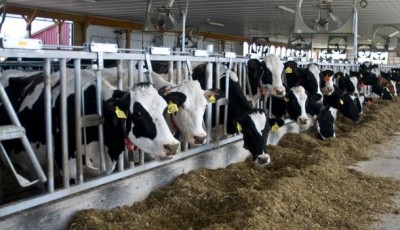
Dairy continues to be the backbone of New York agriculture, accounting for around two thirds of total farm revenue in the state. Investment in the sector remains high with roughly $3 billion in current or planned investment in dairy processing. However, milk prices are lower in 2026 than they were in 2025 by ~$2.50 - $3.00/cwt on average across the US, making margins tight. Abundant milk supply combined with prices going down reduces farm profitability.
For NY dairy farmers, these challenges are particularly relevant. High input costs like labor, feed costs, and financing amidst low milk prices result in farms operating at or below the breakeven point in unideal months. Milk prices are susceptible to volatility due to global supply swings and trade patterns. Smaller dairy farms in our region continue to face structural pressure in the form of consolidation of many small to fewer large-scale farms over time.
Despite these challenges, there is room for cautious optimism tied to investments made in processing infrastructure. Increased processing capacity of New York milk means more availability and demand of locally produced milk. Demand for milk exported internationally to Canada and Mexico also remains strong. US-wide consumer market demand for high protein milk products like cheese and yogurt predicts long-term growth in the dairy sector.
To stay the course during down cycles like the one we're experiencing now, be proactive in mitigating risk, stay diligent on tracking your costs, and employ flexibility in milk production and marketing. Track your cost of production monthly (not annually) and have a working idea of your breakeven milk price. Look to reliable data sources to inform your decisions, like the USDA's Farm Service Agency's Dairy Margin Coverage tool. Tracking profit margins (milk price - feed cost) gives a more realistic picture of profitability vs. just tracking the price of milk alone. With feed costs being a major cost of production, feeding smarter and more efficiently (improving forage quality, storage, etc.) and reducing feed waste can pay off over time. It's also wise to delay big purchases like new, non-essential equipment to times when we have climbed out of a down market. Finally, don't skip out on relying on others during tough times. Your lender, technical service providers like CCE, NY FarmNet, and other farmers going through it along with you are all sources to lean on.
References
https://www.farmcrediteast.com...
https://ag.purdue.edu/commerci...
https://ag.purdue.edu/commerci...
https://www.ams.usda.gov/marke...
Field Crops
Dairy
Business
Livestock
Grains
Upcoming Events
Poultry Processing Workshop, Canandaigua, NY
September 17, 2026 : Poultry Processing Workshop - Canandaigua, NY
Canandaigua, NY
This program is one of four statewide roadshow stops across the state, offering farmers a full poultry processing experience. The class will teach skills that build confidence, reduce costs, and strengthen your farm's independence. This hands-on workshop gives farmers the chance to process a bird from start to finish, learning every step of the workflow used by small farms across the state.
Tax 101: An Introduction to Income Taxes for Farmers
September 17, 2026 : Tax 101: An Introduction to Income Taxes for Farmers
Join NY Farm Net for a FREE mid-day webinar about income tax basics for farmers. Attendees will learn what documents you need, options for recordkeeping systems, how identify common tax forms and schedules, and more!
Large Animal Awareness Training For First Responders
September 19, 2026
Dunkirk, NY
Join the Chautauqua County Technical Rescue Services and NYS Veterinarian, Dr. Kate Card-Allen, for a specialized training on how to safely and effectively respond to large animal incidents. Learn techniques for managing large animals during traffic accidents, rollovers, entrapments and other transportation emergencies.
Announcements
No announcements at this time.