
What Adds Value to a Beef Calf?
Amy Barkley, Team Leader & Livestock Specialist
Southwest New York Dairy, Livestock and Field Crops Program
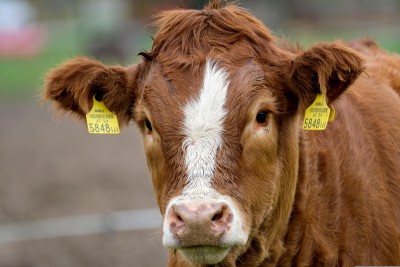
What Adds Value to a Beef Calf?
Adam Murray, Ph.D., Beef Cattle Extension Specialist, Cornell PRO-Livestock
Amy Barkley, Livestock & Beginning Farm Specialist, Cornell Cooperative Extension
Introduction
With input costs steadily rising, farms that raise beef calves need to take steps to increase their return on investment when selling feeder cattle. The transition from a pasture-oriented home to a feedlot setting is filled with stressors that can derail cattle productivity. Therefore, the goal as successful cattle managers should be to reduce or eliminate illness, depressions in rate of gain, and death as much as possible.
This can be achieved through pre-conditioning, a set of practices that emphasizes mitigating stress post-weaning and boosting the immune system in order to give yearlings the best chance of success once they enter a feedlot setting. In addition to increasing welfare standards by pre-conditioning, most market channels will pay premiums for these calves because buyers want problem free cattle, and understand the value these practices add to yearling calves. Many sale barns even have specific pre-conditioned feeder cattle sales that draw more buyers and higher sale prices compared to their regular weekly sales.
Pre-conditioning practices can vary depending on resources and goals at each farm, but the basic practices outlined here should result in successfully preparing calves for post-weaning success.
Weaning
A feedlot environment is not just a change in setting for yearlings, it represents a new social circle, which previously included their mother, and a new diet, which used to be primarily milk. Feedlot buyers expect cattle to arrive ready to eat from a feed bunk instead of pacing and bawling for their mother. Calves that have had time to recover from the stress of weaning are better prepared to make this transition, and have less chance of getting sick when they reach their new home. This means weaning calves 45-60 days before intended sale, and ideally introducing them to similar feedstuffs that will be provided in a finishing diet.
Physically separating calves from cows so they cannot nurse, but still providing contact through fenceline weaning is a great strategy to minimize stress for both the calf and cow. Nose rings and flaps designed to prevent nursing can also be put on calves so they can remain in the same field as they are weaned off milk, but calves will return to nursing if these products fall off or are removed too quickly, and the process must be restarted.
Castration
Castration is the #1 way to add value to weaned calves, so bull calves destined for beef production should be castrated as soon as possible. While some producers will claim that castrating bull calves early will result in decreased calf growth compared to delaying castration, countless studies have shown this is not true. In reality bulls do not start puberty until 9-10 months of age on average, so before that time there is not a surge in testosterone to fuel increased growth. For situations where there is no need to develop bulls for breeding purposes it is recommended to castrate bull calves within the first 2 months of age, or as soon as testicles drop and you can "count to two." Castrating as early as possible results in a smaller wound to heal since the scrotum and testicles are less developed, and therefore minimizes stress and the chance for secondary infections.
Steers are more desirable to feedlots because they finish faster and produce more valuable carcasses. While mature bulls are more muscular compared to steers, beef from bulls tends to be tougher and less marbled to lower carcass quality grades. Bull meat is also generally darker in color, which is less desirable to consumers that expect typical bright, cherry red beef. Additionally, steers are less aggressive than bulls which lowers the chance of both cattle and human injuries. Lastly, in smaller feedlots where heifers may not be sorted into separate pens, mixing bulls could result in pregnancies that drastically decrease heifer carcass value. All of these reasons explain why late cut steers, or "stags," showing secondary sex characteristics (crest, larger head, etc.) are discounted at sale barns because cattle feeders are wary of the detrimental effects of retained testicles.
Whether you are cutting or banding bull calves for castration, it is important to use clean equipment and fly control around the flank to minimize the chance of infection. Tetanus shots should be given at least 2 weeks prior to banding to ensure adequate time for an immune response and sufficient antibody production.
Vaccinations
Weaning, transport off the farm to a sale barn or feedlot, and transitioning to a grain-based diet are all stressful for cattle, especially if they are regrouped with unfamiliar cattle to fill out a pen or truckload. Additional stress taxes the immune system to decrease feed intake, growth, and therefore profitability, and increases the chance and severity of illness. Respiratory diseases alone cost the U.S. beef industry over one billion dollars of lost profit annually. To prevent profit-robbing disease and death, producers should work with veterinarians to provide a robust vaccination program that will promote healthy cattle.
At a minimum cattle producers should vaccinate calves against respiratory and clostridial diseases. This can be accomplished through a 7- or 8-way blackleg vaccine and a respiratory disease complex vaccine. There are multiple modified live and killed vaccines available to producers, so it is always important to read product labels to ensure proper product storage and administration. Some vaccines require refrigeration while others need to be stored at room temperature, and sunlight is detrimental to all biological products. Because of this, storage and handling during use can be an issue if a producer is working a large number of cattle that will take hours. In these situations, it's recommended to store vaccines in coolers until they are ready to be used, and only mix enough modified live product at one time that you know will be used within the next hour.
Some vaccines also require boosters that are usually given 2-4 weeks after the initial product administration, so this can affect when producers plan on weaning and administering vaccines. It is recommended to give all vaccines at least 2 weeks prior to weaning so the immune response has time to kick in and protect against the stresses during the weaning process. If vaccines are given at the same time as weaning there is not adequate time to produce antibodies through an immune response. Plus, vaccine success rate decreases significantly if they are administered during times of prolonged elevated stress like separation from the cow.
Don't have a vaccination protocol yet? The New York State Cattle Health Assurance Program (NYSCHAP) provides veterinary advisors that will work with you and your herd veterinarian to create a robust disease prevention program. This program is provided free of charge, and helps to cover one visit from your herd veterinarian annually.
Deworming
On pasture cattle are naturally exposed to internal parasites through grazing and soil contact. Although cattle should not be picking up additional parasites in a feedlot, their residual parasite load coming from pasture can depress rate of gain and feed conversion. With that, strategic deworming should be a part of any weaning and pre-conditioning program to ensure nutrients are not being robbed from the digestive tract of calves.
There are 2 different classes of dewormers that work through different biological mechanisms: clear dewormers (pour-on and injectable) and white dewormers (drench and fed). In addition to rotating the brand of dewormer you use every couple of years to prevent parasite resistance, changing the class of dewormer is also very important to maintain product effectiveness. Both classes of dewormers have their pros and cons, and depending on your goals and the results of a fecal egg count test producers should talk with their herd veterinarian to determine what deworming protocol is right for them.
While the strategies described above are common best management practices for selling pre-conditioned calves at most auctions, some buyers and sale barns may have slightly different requirements for their pre-conditioning designation. If possible, make sure to communicate with your buyer(s) in advance to ensure that you are meeting their expectations to receive premium prices for your cattle. The money received for cattle managed through quality pre-weaning protocols should exceed the effort and expenses you invest in the process. Also, remember to provide documentation of your pre-conditioning protocol to auctioneers and sale barns so they can communicate the value to buyers prior to selling your lot. This includes weaning dates, products administered, the times these products were administered, and sometimes even the product lot and ID number.
For More Information
Use this section to provide contact information for program areas (PRO-LIVESTOCK, Dairy Management, SPEAR, etc.) or authors.

Field Crops
Dairy
Business
Livestock

Grains
Upcoming Events
Poultry Processing Workshop, Canandaigua, NY
September 17, 2026 : Poultry Processing Workshop - Canandaigua, NY
Canandaigua, NY
This program is one of four statewide roadshow stops across the state, offering farmers a full poultry processing experience. The class will teach skills that build confidence, reduce costs, and strengthen your farm's independence. This hands-on workshop gives farmers the chance to process a bird from start to finish, learning every step of the workflow used by small farms across the state.
Tax 101: An Introduction to Income Taxes for Farmers
September 17, 2026 : Tax 101: An Introduction to Income Taxes for Farmers
Join NY Farm Net for a FREE mid-day webinar about income tax basics for farmers. Attendees will learn what documents you need, options for recordkeeping systems, how identify common tax forms and schedules, and more!
Large Animal Awareness Training For First Responders
September 19, 2026
Dunkirk, NY
Join the Chautauqua County Technical Rescue Services and NYS Veterinarian, Dr. Kate Card-Allen, for a specialized training on how to safely and effectively respond to large animal incidents. Learn techniques for managing large animals during traffic accidents, rollovers, entrapments and other transportation emergencies.
Announcements
No announcements at this time.