
Small Ruminant Dewormer Drug Classes
Amy Barkley, Team Leader & Livestock Specialist
Southwest New York Dairy, Livestock and Field Crops Program
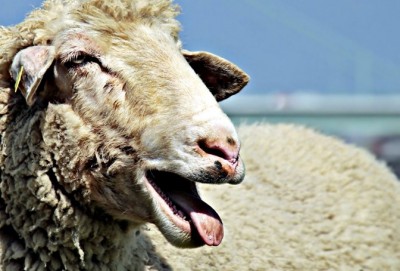
Dewormer Classes for Small Ruminants
By Amy Barkley, Livestock Specialist, SWNYDLFC
Information from the American Consortium for Small Ruminant Parasite Control
Resistance to dewormer classes is a real challenge for many sheep and goat producers. Even when performing bi-monthly FAMACHA and 5-Point Checks and using dewormers properly and judiciously, you may still encounter resistance issues. If it's been determined that your herd or flock is resistant to one class of dewormers, it's a good idea to switch dewormer classes and continue using that single class going forward until you develop resistance to it too. It's important to make proper deworming protocols a focus of your operation because there are only three classes of anthelmintics on the market, and there aren't likely to be any additional classes developed any time soon. Once resistance is developed to one class, it's unlikely that you'll lose resistance, so the goal is to gain resistance to the other two classes in as long a time as possible.
What can be confusing about these drugs is that under each active drug class, there are many drug names. To help limit the confusion and to ensure correct identification of drug classes, here are the lists of drug names within each of the three drug classes.
Benzimidazoles: Chemical name ends in a "…dazole".
- Fenbendazole
- Safeguard, Panacur
- Albendazole
- Valbazen
- Oxybendazole
- Synantic
Notes: These are broad spectrum with a wide margin of safety. They are effective against tapeworms. Valbazen is effective against adult liver flukes and should not be administered to pregnant animals.
Nicotinics:
- Levamisole (clear drench)
- Tramisol, Levasole, Prohibit
- Morantel
- Rumatel, Positive Goat Pellet
- Pyrantel
- Strongid
Notes: Rumatel and Pyrantal are only effective against adult worms, while Levamisole is broader spectrum but has a narrower margin of safety.
Macrolides:
- Avermectins
- Ivermectin
- Ivomec, Zimecterin, Eprinex, and Promectin
- Doramectin
- Dectomax
- Ivermectin
- Moxidectin
- Cydectin, Quest
Notes: This class is a broad spectrum dewormer with a wide margin of safety. In addition to use for internal parasites, it's also effective against sucking external parasites. Moxidectin is the newest addition to this class and has persistent activity.
Like with any drug, the label is the law! Review the label for dosing, withdrawals, and animal classes. Some of these may be used extra label with approval from your veterinarian. This is most commonly needed for use in goats.
Field Crops
Dairy
Business
Livestock
Grains
Upcoming Events
Poultry Processing Workshop, Canandaigua, NY
September 17, 2026 : Poultry Processing Workshop - Canandaigua, NY
Canandaigua, NY
This program is one of four statewide roadshow stops across the state, offering farmers a full poultry processing experience. The class will teach skills that build confidence, reduce costs, and strengthen your farm's independence. This hands-on workshop gives farmers the chance to process a bird from start to finish, learning every step of the workflow used by small farms across the state.
Tax 101: An Introduction to Income Taxes for Farmers
September 17, 2026 : Tax 101: An Introduction to Income Taxes for Farmers
Join NY Farm Net for a FREE mid-day webinar about income tax basics for farmers. Attendees will learn what documents you need, options for recordkeeping systems, how identify common tax forms and schedules, and more!
Large Animal Awareness Training For First Responders
September 19, 2026
Dunkirk, NY
Join the Chautauqua County Technical Rescue Services and NYS Veterinarian, Dr. Kate Card-Allen, for a specialized training on how to safely and effectively respond to large animal incidents. Learn techniques for managing large animals during traffic accidents, rollovers, entrapments and other transportation emergencies.
Announcements
No announcements at this time.