
Does a warm winter mean increased insect pressure?
Katelyn Miller, Field Crops and Forage Specialist
Southwest New York Dairy, Livestock and Field Crops Program
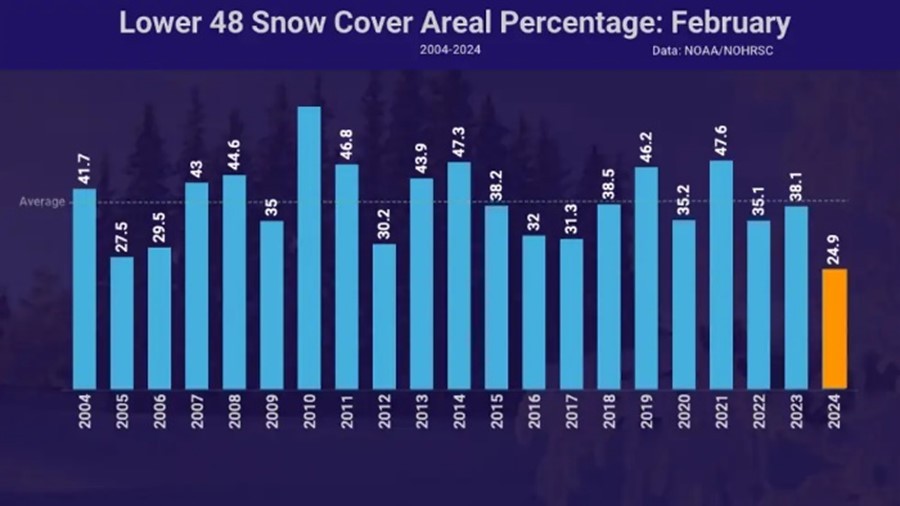
According to data from the National Oceanic and Atmospheric Administration (NOAA), December through February was the Lower 48's warmest winter recorded in 129 years. This winter topped the previous record from 2015-16 by 0.82 degrees Fahrenheit. New York was one of eight states that experienced the warmest winter on record, causing issues with maintaining snow cover and ice cover on Lake Erie. Additionally, the average snowfall in February was the smallest snow cover we have experienced in 20 years. Many knew, even without this data, that this winter was abnormal in temperature and snowfall; so how could that impact insect pressure this growing season?
In the Northeast, insects survive most commonly through migration and overwintering strategies. Insects such as potato leaf hopper rely on migration as they typically cannot survive winters in the Northeast. Other insects like alfalfa weevil take shelter in the field. Adults will remain dormant in alfalfa fields or sheltered grassy areas where snow will serve as insulation. White grub species like June beetles will overwinter in the soil where temperatures remain above air temperature. While these are just some examples of pests and their overwintering strategies, there are some factors that may impact the survival of insects:
- Large temperature swings can be detrimental to insects. An insect may become active when they would normally be dormant, and this can cause mortality if there is not enough food.
- Above-ground overwintering insects may be more likely to survive with fewer cold days. On the flip side, a lack of snow could expose insects to below freezing temperatures.
- A mild winter will likely not have a detrimental effect on insects that overwinter in the soil because of consistent soil temperatures.
It's important to remember that all these principles apply to beneficial insects as well, which could be positive. So back to our original question; does a warm winter mean increased pest pressure? Time will only tell. While it's uncertain how this weather will truly impact pest pressure, it's important to be prepared. Pest scouting as part of an integrated management plan will help you make economical pest control decisions.
Field Crops
Dairy
Business
Livestock
Grains
Upcoming Events
Poultry Processing Workshop, Canandaigua, NY
September 17, 2026 : Poultry Processing Workshop - Canandaigua, NY
Canandaigua, NY
This program is one of four statewide roadshow stops across the state, offering farmers a full poultry processing experience. The class will teach skills that build confidence, reduce costs, and strengthen your farm's independence. This hands-on workshop gives farmers the chance to process a bird from start to finish, learning every step of the workflow used by small farms across the state.
Tax 101: An Introduction to Income Taxes for Farmers
September 17, 2026 : Tax 101: An Introduction to Income Taxes for Farmers
Join NY Farm Net for a FREE mid-day webinar about income tax basics for farmers. Attendees will learn what documents you need, options for recordkeeping systems, how identify common tax forms and schedules, and more!
Large Animal Awareness Training For First Responders
September 19, 2026
Dunkirk, NY
Join the Chautauqua County Technical Rescue Services and NYS Veterinarian, Dr. Kate Card-Allen, for a specialized training on how to safely and effectively respond to large animal incidents. Learn techniques for managing large animals during traffic accidents, rollovers, entrapments and other transportation emergencies.
Announcements
No announcements at this time.