
Soil Holds the Cards
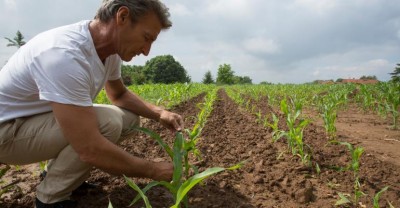
By Jason Hanson of Ag Mafia Alley LLC
The weather this spring tossed a curve ball at plans for planting date and crop selection. With higher soil nitrogen levels coming off the drought of 2021, there was more anticipation of utilizing increased corn acres with the natural occurring elevated levels of nitrogen. As it turned out, those acres shifted to more canola, sunflowers and barley.
All these crops also can benefit from the nitrogen left from the poor crop of last year, but a wet cold snowy spring changed all of that. Concerns about denitrification and saturated soils with depleted fertilizer levels came with the 2022 crop at planting. However, with crops looking strong, now is the time to start planning for the 2023 crop by looking at soil nutrient levels.
Soil testingSoil testing is the base for determining management decisions. If testing by grid, zone or a composite sample, start once the crop comes off. Do it yourself or hire it done. With the current markets for all crop nutrients, don't play a guessing game with the most important input cost out there,
The crop this year is going to be different than last year when it comes to yield and what it will take to get that yield. So don't expect similar nutrient levels as last year. The pressure to buy fertilizer gets to be sooner and sooner every year, so soil testing provides the information needed quickly.
Improve efficiency, profitsSome fields didn't get fully seeded, and some parts of them didn't have crop grown this year. What is the difference between that area and the rest of the seeded area? How about the different production zones within those full seeded fields?
Talk with the person who does your soil sampling and get a plan together before the harvest starts. Having a conversation on this will help with soil sampling going smoothly and getting good, usable data. A lot of people may question the results of this soil testing. The labs do a great job of reporting what gets submitted, so many are more concerned as to how that sample was taken and handled. Soil sampling isn't just going out and poking holes in the dirt. A quality cores equals quality data for good management decisions.
Other benefits of samplingOther things to pay attention to when sampling soil includes:
- soil and subsoil moisture levels
- weeds in fields
- crop residue
- harvest loss
- fall burndown
- fall tillage
You're not only testing for requested nutrient levels and other soil information, but also assessing that field from a broader agronomic perspective.
Another key aspect of soil sampling is getting the data in a form that can be utilized quickly and easily. Zone samples and transferring information effectively is important, so be sure to work with your crop adviser to get all the needed specifications taken care of ahead of time.
Passing along intended crop plans and yield goals helps with the process of what data needs to be collected from a field, as any info ahead of time really improves the soil sampling process. Get after it, and be prepared to adjust things with weather changes.
Field Crops
Dairy
Business
Livestock
Grains
Upcoming Events
Poultry Processing Workshop, Canandaigua, NY
September 17, 2026 : Poultry Processing Workshop - Canandaigua, NY
Canandaigua, NY
This program is one of four statewide roadshow stops across the state, offering farmers a full poultry processing experience. The class will teach skills that build confidence, reduce costs, and strengthen your farm's independence. This hands-on workshop gives farmers the chance to process a bird from start to finish, learning every step of the workflow used by small farms across the state.
Tax 101: An Introduction to Income Taxes for Farmers
September 17, 2026 : Tax 101: An Introduction to Income Taxes for Farmers
Join NY Farm Net for a FREE mid-day webinar about income tax basics for farmers. Attendees will learn what documents you need, options for recordkeeping systems, how identify common tax forms and schedules, and more!
Large Animal Awareness Training For First Responders
September 19, 2026
Dunkirk, NY
Join the Chautauqua County Technical Rescue Services and NYS Veterinarian, Dr. Kate Card-Allen, for a specialized training on how to safely and effectively respond to large animal incidents. Learn techniques for managing large animals during traffic accidents, rollovers, entrapments and other transportation emergencies.
Announcements
No announcements at this time.