
It's Time - End of the Year Tax Planning (Part One)
Katelyn Walley, Business Management Specialist and Team Leader
Southwest New York Dairy, Livestock and Field Crops Program
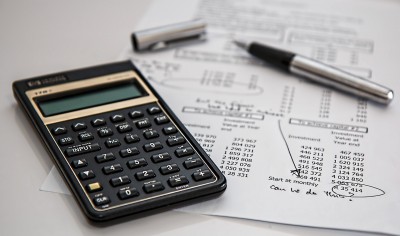
The sun is still shining, crops are still growing, and your mind is probably the farthest it possibly can be from tax planning. But - Fall is a great time to focus on tax planning and managing your tax liabilities. By creating a tax strategy BEFORE January 1st, you'll avoid those (always fun) December 31st equipment purchases and (less fun) stress and headaches.
Below are some considerations for end-of-the-year tax strategies. We'll continue this conversation through a three part series.
Work with the Right Accountant: An accountant familiar with farm taxes can be a valuable resource - and will pay for themselves. They can help you navigate complex rules and ensure you're taking advantage of every tax break available. A good accountant can also assist with audits and help plan for the future, whether that involves growing your business or preparing for eventual retirement. Schedule regular check-ins to discuss your tax situation, even during the off-season. At a minimum, you should be meeting with your tax preparer/accountant in the fall and during filing season.
Invest in Your Farm: One effective strategy is reinvesting profits back into your farm. If your farm has extra income, consider purchasing new equipment or making improvements before the year ends. These capital investments may qualify for depreciation, which can reduce taxable income. Prepaying for supplies you'll need next year—like feed, seed, or fertilizer—can also lower your taxable income for the current year, but watch for limitations to ensure compliance. Again - work with your accountant.
Defer Income: Deferring income can also be a useful way to manage your taxes. If your farm had a profitable year, consider delaying payments or sales until after January 1st. This shifts income to the following tax year, reducing the amount you need to report for the current year. You can also explore income averaging, which allows you to spread out higher earnings across multiple years, smoothing out income spikes that could otherwise bump you into a higher tax bracket. Again - work with your accountant.
Keep Good Records: Accurate record-keeping is essential for effective tax planning. Keep track of your income, expenses, and farm operations - and communicate with your accountant - to ensure you have all the information needed to prepare for tax season. A good bookkeeping system helps you take advantage of deductions and tax credits while avoiding errors that could lead to penalties. Make sure your records include receipts, invoices, contracts, and other documents that support your financial decisions. Ideally, your records will be set up so you're able to run regular reports throughout the year. That way, when you're trying to plan ahead for tax season in the fall, you can have an accurate picture of where your business is at that moment in time.
Final Thoughts: Tax planning isn't just about reducing what you owe—it's also a chance to assess the overall financial health of your farm. By using strategies like reinvestment, deferring income, and keeping solid records, you can lower your tax liability while positioning your farm for growth in the new year. Start planning now to make the most of the opportunities available to you, and work with a farm-savvy accountant to get the best results.
Field Crops
Dairy
Business
Livestock
Grains
Upcoming Events
Livestock Production Field Day
August 29, 2026 : Livestock Production Field Day
Chaffee, NY and East Aurora, NY,
Join us on visits to Horizon Ridge Farm in East Aurora and Troll Bridge Farm in Chaffee for an introduction to small beef and small diversified livestock enterprises. Through walking farm tours, attendees will learn about management, meat processing, setting prices, and finding local markets. Dinner will be provided. Register by contacting Amy Barkley at amb544@cornell.edu or 716-640-0844.
Poultry Processing Workshop, Naples, NY
September 17, 2026 : Poultry Processing Workshop - Naples, NY
Naples, NY
This program is one of four statewide roadshow stops across the state, offering farmers a full poultry processing experience. The class will teach skills that build confidence, reduce costs, and strengthen your farm's independence. This hands-on workshop gives farmers the chance to process a bird from start to finish, learning every step of the workflow used by small farms across the state.
Large Animal Awareness Training For First Responders
September 19, 2026
Dunkirk, NY
Join the Chautauqua County Technical Rescue Services and NYS Veterinarian, Dr. Kate Card-Allen, for a specialized training on how to safely and effectively respond to large animal incidents. Learn techniques for managing large animals during traffic accidents, rollovers, entrapments and other transportation emergencies.
Announcements
No announcements at this time.