
Coccidia and Small Ruminants
Amy Barkley, Team Leader & Livestock Specialist
Southwest New York Dairy, Livestock and Field Crops Program
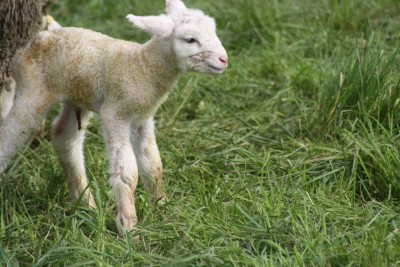
Coccidia in Small Ruminants
By Amy Barkley, Livestock Specialist SWNYDLFC Program
Coccidia is one of the more common diseases that can affect small ruminants. Infected animals often experience a setback in their growth and, in severe cases, may become more susceptible to secondary bacterial infections such as Salmonella or E. coli. While easy to prevent and manage, warm, wet weather and indoor spaces can foster the buildup of this organism in the environment, contributing to its spread.
Coccidia is an internal parasite transmitted through the fecal-oral route—animals become infected by ingesting contaminated feces. The organism can originate from infected soil or stock, and once introduced into a herd or flock, it spreads rapidly from animal to animal. Coccidia reproduce by forming oocysts, which are initially non-infective. These oocysts are shed in the feces, re-ingested, and then mature in the intestine, where they damage the intestinal lining and continue the cycle by producing more oocysts. This leads to a growing parasite load in the environment.
Young animals under 8 weeks of age are most susceptible to coccidia. They have immature immune systems that can't fight off the parasite well, and can be quickly overwhelmed if the environment has high oocyst loads. It takes about 3 weeks from birth for young animals in these environments to start showing clinical disease. Older animals have a better capacity to process the oocysts and gain immunity naturally.
Typical symptoms that you'll see in animals with clinical disease:
- Diarrhea, which typically affects multiple young animals at once
- Chance of blood and mucus being found in the feces in severe cases
- Painful looking defecations
- Dehydration
- Hunched or droopy appearance
- Poor quality haircoat and body condition in chronically infected animals.
It's important to note that other conditions can mimic coccidiosis. Veterinary confirmation, either through clinical assessment or fecal analysis, is recommended. Additionally, young animals on lush, fast-growing pasture may develop diarrhea unrelated to coccidia.
If properly managed, the environment can become one that allows young animals to gain immunity naturally, rather than develop clinical disease. Indoor environments are higher risk than outdoor environments, since there is more room for the animals to move around as well as weather and sunlight help to weaken and destroy the oocysts. Some ways to manage indoor environments include:
- Ensure that all neonates receive a full dose of high quality colostrum or colostrum replacer within 12 hours of birth. The closer it can be administered to birth, the better.
- Get hay off the floor! Feeding animals from hay racks limits contamination from feces and decreases the load of oocysts ingested.
- Keep water sources clean and protected from fecal contamination.
- Increase air flow in pens - dry conditions help reduce parasite loads.
- Clean barns frequently to remove infected feces, especially areas where lambs or kids are kept.
- Decrease stocking density to help keep bedding dry
- Reduce stressful events (weaning, sudden feed changes, shipping) for the first month of life.
- Modify your lambing/kidding times to lamb or kid on dry pasture to reduce exposure to high densities of oocysts.
While environmental management won't completely eliminate oocysts, it significantly reduces their numbers, allowing animals to build natural immunity. In the event of a clinical outbreak, treatment may include over-the-counter b-vitamin inhibitors or prescription medications from your veterinarian.
Field Crops
Dairy

Business
Livestock
Grains
Upcoming Events
Tractor Safety Workshop
August 20 - August 22, 2026
Cherry Creek , NY
August 20 - August 22, 2026
Cows, Crops & Critters - Southwest New York Dairy, Livestock & Field Crops Newsletter Sponsorship
December 18, 2026
Our two forms of publications feature research-based and timely information from our four specialists, listed to the right, along with local event notifications and Cornell University outreach. This information is provided to participants who range from dairy, livestock, and field crops producers to agricultural suppliers and consultants.
Weekly Email Update: Shared with 625+ households who have signed up with our program.
Monthly Paper Mailer: To reach our stakeholders and farmers who lack internet access, we send out a monthly mailer where your company's logo and contact information would be featured with a mailing list of 330+ households.
If you sponsor our weekly and monthly publications you reach approximately 955 households.
Visit our website to view our newsletters!
Paper Copy of Cows, Crops & Critters Newsletter (for recipients outside of 5 county region) July 2026-June 2027
May 31, 2027
To be more environmentally friendly and make sure our resources go directly toward our mission, we have been updating how we share news from Cornell Cooperative Extension's Southwest New York Dairy, Livestock and Field Crops Team.
You will continue to receive newsletters quicky and conveniently through email every month!
Announcements
No announcements at this time.