
Maintaining a Low Somatic Cell Count During the Winter - PSU Extension
Maintaining a Low Somatic Cell Count During the Winter (To access original article, click here)
by Amber Yutzy Assistant Director, Animal Systems Programs - Penn State University
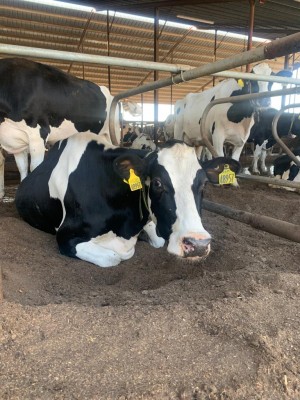
Winter is upon us, and dairy farms in central Pennsylvania are still finishing up harvest while they prepare. Many areas of the dairy need extra attention during the winter months to prevent broken pipes, sick calves, frozen water and, of course, mastitis. Prevention is the key to a low stress winter! Taking a few simple steps now to prevent a mastitis outbreak will save you money and headaches in the future. The foundation of mastitis control during the winter is milking clean, dry udders/teats. Sounds simple, right? Mastitis is often a problem in the winter, because it is more difficult to keep cows clean and the wet environment supports bacteria growth. As always, it is important to maintain an adequate amount of clean bedding in stalls or bedded packs. During the winter months it is often necessary to bed and groom stalls more regularly. Wet bedding can easily grow mastitis-causing pathogens as well as cause cows to become dirty.
It is also important to reduce hair on the udder to control soil, bedding, and manure accumulation on the skin. A high somatic cell count is directly correlated to poor udder cleanliness. Fall is the time to trim or flame udders. Keeping the hair trimmed all year round eliminates one more chore to do this time of the year.
During winter months, producers tend to skip a very important part of mastitis control…post dipping. Post dipping is an essential part of mastitis control. Frostbite is a concern when post dipping cows in the winter. When the wind is howling and temperatures are close to 10 degrees, you may be tempted to skip the post dip. An alternative strategy you could implement in the winter is to put post dip on for a 30-second contact time, then dry teats before sending cows out of the parlor. You will still get the protection of the post dip, but won't run the risk of frost-bitten teats. This practice will add some time to milking, but it only needs to be implemented in extremely cold weather.
Winter can be a tough time on producers and cows. Ease your stress by managing for mastitis year-round. Remember, prevention is the key! Keeping cows out of the wind, providing bedding that is clean and dry, ensuring udders are dry, and maintaining a balanced ration will help your cows get through winter without mastitis, frostbite, and problems from cold stress.
Field Crops
Dairy

Business
Livestock
Grains
Upcoming Events
Livestock Production Field Day
August 29, 2026 : Livestock Production Field Day
Chaffee, NY and East Aurora, NY,
Join us on visits to Horizon Ridge Farm in East Aurora and Troll Bridge Farm in Chaffee for an introduction to small beef and small diversified livestock enterprises. Through walking farm tours, attendees will learn about management, meat processing, setting prices, and finding local markets. Dinner will be provided. Register by contacting Amy Barkley at amb544@cornell.edu or 716-640-0844.
Poultry Processing Workshop, Naples, NY
September 17, 2026 : Poultry Processing Workshop - Naples, NY
Naples, NY
This program is one of four statewide roadshow stops across the state, offering farmers a full poultry processing experience. The class will teach skills that build confidence, reduce costs, and strengthen your farm's independence. This hands-on workshop gives farmers the chance to process a bird from start to finish, learning every step of the workflow used by small farms across the state.
Large Animal Awareness Training For First Responders
September 19, 2026
Dunkirk, NY
Join the Chautauqua County Technical Rescue Services and NYS Veterinarian, Dr. Kate Card-Allen, for a specialized training on how to safely and effectively respond to large animal incidents. Learn techniques for managing large animals during traffic accidents, rollovers, entrapments and other transportation emergencies.
Announcements
No announcements at this time.