
Management matters: 3 tips for successful post-weaning calf management
by Casey Havekes for Progressive Dairy (For original article, click here)
It is easy to fall in the pattern of thinking that once calves are weaned off milk the hard part is over, and you can turn a blind eye to them until it's time for breeding.
In many ways, getting calves through the first six to 10 weeks of life is the most challenging time when we think about disease susceptibility, scours and the stress of weaning. However, the weeks and even months following weaning are equally important in terms of nutrition and management. Post-weaning management becomes increasingly important when we consider the impact that management during early life can have on first, and even subsequent, lactation performance, as well as the cost associated with heifer rearing. Here are three simple management and nutrition tips to help heifers transition from the weaning to pre-breeding and breeding phases successfully.
1. Maintain average daily gain (ADG)
The goal for any heifer program should be to have heifers that achieve optimal growth to target an age at first calving (AFC) of 22-24 months, at which point heifers should be 80% of their mature bodyweight. After calves are weaned, their growth relies solely on their ability to consume and digest solid feed. At weaning, calves should be consuming at least 4 pounds per day of starter. Ensuring this will help minimize the post-weaning growth slump that occurs when calves aren't able to consume and process enough solid feed to make up for the loss of nutrients coming from milk. Remember, once calves are weaned, their primary energy source is volatile fatty acids from digesting concentrate feeds like starter grain rather than lactose and fat from milk or milk replacer, so encouraging solid feed intake throughout is critical to success.
Once calves are fully weaned off milk, the goal for heifer development continues with the objective of achieving high rates of protein/muscle gain and low rates of fat gain. Overfeeding energy can lead to reduced epithelial cell proliferation and more fat deposition in the mammary gland, which could result in poorer milk production later in life. On the other hand, underfeeding energy can lead to poor growth, delayed onset of puberty and consequently delayed breeding and age AFC. ADG post-weaning to calving should be calculated based on mature body weight and desired age AFC. On average, aiming for 1.75 pounds per day (0.8 kilograms per day) should allow heifers to achieve desirable age AFC at the proper weight.
Keep in mind that at puberty there is a metabolic shift where body protein deposition slows down and body fat deposition starts to pick up, so it can become increasingly easy to get heifers too fat. One tip to avoid excessive body-fat gain is to ensure metabolizable protein is never lower than metabolizable energy in post-weaned heifer diets. It's also encouraged to frequently take bodyweight measurements and evaluate body condition scores to ensure that heifers are achieving proper body composition in relation to their weight.
2. Avoid introducing silage too early
In the weeks following weaning, 85% of a heifer's daily dry matter intake (DMI) should still come from concentrated feed. With high concentrate prices, it may seem more desirable to swap out concentrated feed with homegrown silages following weaning, but it is highly discouraged. Proper growth and development goes beyond just pounds of weight gain. Heifers need to have properly developed and functioning rumens before we introduce fermented feeds, otherwise they will not be able to properly digest those nutrients, and DMI could be limited. The recommended age for silage introduction is 4-6 months, but even then, fermented feeds should be introduced slowly with adequate fiber provision so the rumen can adjust and function properly. At this point in time, heifers' rumens are not properly developed enough to digest and capture the volatile fatty acids from fermented feeds, so they should not make up a majority of the diet until the heifers are at least 6 months old.
Once fermented feeds are making up a large portion of the diet, pay attention to intakes and body condition. Heifers can easily overconsume energy and become fat when a large amount of corn silage is fed. Using good-quality grass silage can be a more effective base ingredient for heifers once they hit the appropriate age. Keep in mind, heifers in this age group still require a good amount of protein, so feeding poor-quality haylage is not an effective strategy. Lastly, heifers need consistency just like pre-weaned calves do. The introduction of novel feeds could be an opportunity to introduce undesirable feeding behaviors (like sorting and slug feeding). Ensuring diets are provided at a similar time each day, that they are mixed sufficiently and that heifers always have access to feed will help promote healthy feeding behavior.
3. Minimize stressors and provide appropriate facilities
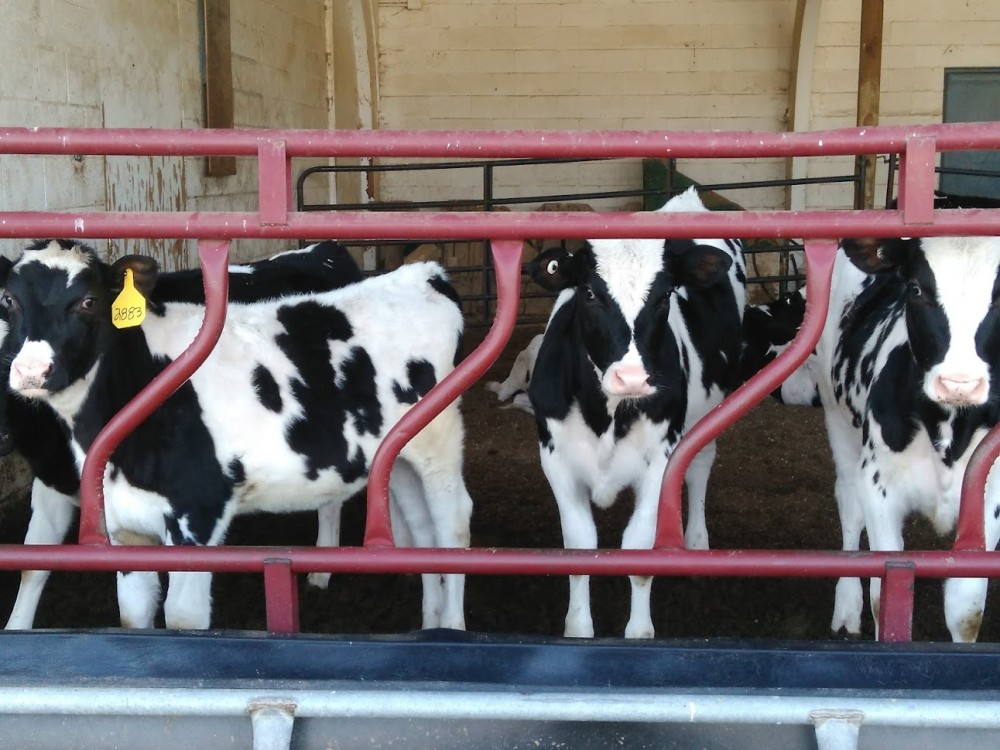
The weaning period is already one of the most stressful times for calves, so minimizing the additional stressors they face can go a long way in their transition. There are some post-weaning changes that are inevitable, like housing and nutrition, but minimizing the degree of change can be a helpful strategy. For example, keeping familiar pen mates and the same bedding in the new location can be great approaches to minimize the stress associated with moving. Similarly, providing the same concentrate that was fed during the pre-weaning phase in the first post-weaned group will help heifers maintain intake as they adjust to their new surroundings.
Post-weaned heifers may not need nearly as much care and attention as pre-weaned calves, but they still require adequate facilities. Post-weaned heifers should have at least 35-40 square feet of bedded space (yes, bedding is required), at least 12-18 inches of bunk space and at least 2-3 inches of water space. It is also important to maintain adequate ventilation for these heifers. The target air exchanges per hour remain the same post-weaning as they did pre-weaning (40-60 air exchanges per hour in the summer, four air exchanges per hour in the winter). Ensuring these requirements are met will help promote healthy behaviors and maximize comfort for these heifers.
The effort that goes into raising healthy heifers should carry forward even when calves are weaned off milk. Proper nutritional management, as well as limiting stressors and providing good facilities, are key steps to ensuring heifers are calving in at your target AFC.

Field Crops
Dairy
Business
Livestock

Grains
Upcoming Events
Dairy Feeder School
October 29, 2026 : Dairy Feeder School
Freedom, NY
- One day on-farm training for dairy farm feeders
- Offered in English and Spanish
- Stations with hands-on activities/demos
Tax 102: Tax planning and strategies for Farmers
November 4, 2026 : Tax 102: Tax planning and strategies for Farmers
This webinar follows the "Introduction to Income Taxes" webinar from September, going more into depth on topics including: understanding common tax concepts, tax strategies, long-term approaches to managing taxes, and more!
Labor Roadshow: Practical Workforce Strategies for Agricultural Professionals Across New York
November 30, 2026
December 21, 2026
The Agricultural Workforce Development Council of New York State (AWDC) will celebrate a decade of connecting and educating agricultural professionals when Labor Roadshow X returns this December with five in-person events and two webinars across New York State.
For nearly ten years, the Labor Roadshow has brought agricultural professionals together to learn, connect, and navigate the evolving challenges of agricultural labor. The 2026 event will continue that tradition with timely, expert-led discussions focused on the issues affecting farms and agricultural employers today—including labor law and compliance, employee engagement, retention, and workplace culture.
Announcements
No announcements at this time.